5 DIY tips for outrageous product photography
Many people have one of two point of views on product photography-- either it's a piece of cake for any person with a smart device, or it's a extremely sophisticated endeavour that requires the services of a professional.

We think the truth is somewhere in the middle. With the ideal tools and also some basic direction, anybody can produce great product shots. With these five basic product photography ideas, you can produce high-grade product images that will aid you transform visitors into paying customers (or whip the media right into a frenzy when they see your shots in the Flaunter collection!).
1. Take formal product shots-- after that have some enjoyable
When you're doing product photography, you should take advantage of your time and have a good time. While you've got your video camera, illumination and also items prepared, you need to take a wide range of images.
Make certain to obtain the tidy, basic shots that show your product from all angles. Obtain the front, the back and the sides, and make sure to run in close for some detail shots. These images can be vital for the client when they are weighing a purchase.
75% of consumers price the quality of product pictures as ' crucial' or ' extremely important' to their acquiring decision-- Upwork
2. Usage custom white balance
Have you ever taken a photo where the colours ended up very odd? More than likely, it was a white balance issue. On the flip side, when you get white balance just right, colours will look completely all-natural. Correct white balance is among the most effective ways to obtain a fantastic photo.
Practically every cam has the ability to utilize various white equilibrium settings. A lot of electronic cameras start on an ' car white equilibrium' setting, which (as the name indicates) immediately examines the light in your scene and chooses a appropriate setting ... a lot of the time.
Vehicle white balance may be good enough for photos, however, for top-notch product shots, you require to get manual. Go into the settings of your camera and also try to match the white balance to the scene with presets.
If those don't work, you might be able to establish a customized white equilibrium making use of the Kelvin scale. The majority of cameras provide alternatives from around 3,000 K (very yellow) to 10,000 K ( really blue). You can attempt to establish this by hand, but the most effective method is to put a white paper next to your product as well as rise close. After that use personalized white balance to set your electronic camera off that notepad.
3. Take note of information
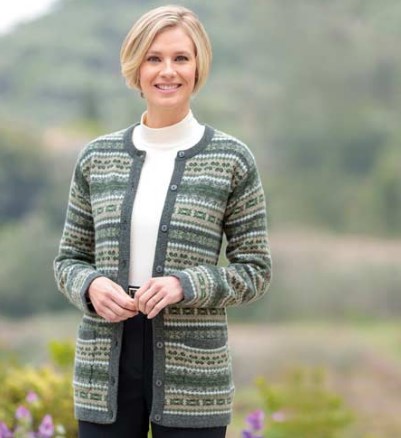
Getting premium product pictures is generally a rather taxing procedure, specifically if you do not have a dedicated studio arrangement. Whatever setup you have, make the effort to do the work right.
Put in the time to best the lights, get the background specifically right, choose the suitable angle and also locate the maximum colour setups to toenail your image. It'll take some time, however it'll pay off when you do not have to do much modifying of your images and when your consumers start looking at those photos.
Some things to look out for:
• Dirt, finger prints, or spots on your products or backgrounds
• Roaming objects in the corner of the picture
• Not concentrating the lens properly on the subject
• Electronic camera shake and also resonance
• Reduced light levels ( resulting in high ISO, slow shutter speed as well as poor image high quality).
• Lacking batteries or sd card in the middle of the shoot.
4. Use reflections
One terrific means to produce unique, gorgeous product shots is to make use of reflections. Reflections create a feeling of deepness and also intricacy in an image. There are a few ways to develop representations in a residence studio.
A mirror. Make certain it's completely cleansed (with non-streaking cleanser), after that place your product on top for a tidy representation. Fire from a low angle, almost parallel with the mirror, for ideal impact.
Light weight aluminum foil. Peel a huge sheet off a roll of typical food preparation foil, being careful to maintain it as flat as feasible, after that place it the like a mirror. Take care to keep the ragged edges out of the photo.
Water. Either area a slim layer of water in a tray https://www.sharedmoments.com.au/product-photography/ and area your product there, or merely put some water on a level surface area.
This approach usually functions ideal when you utilize a backdrop like building and construction paper or sheets to manage the history-- or when you have a pure white area-- given that you will not desire a representation of your ceiling fan on your business page.
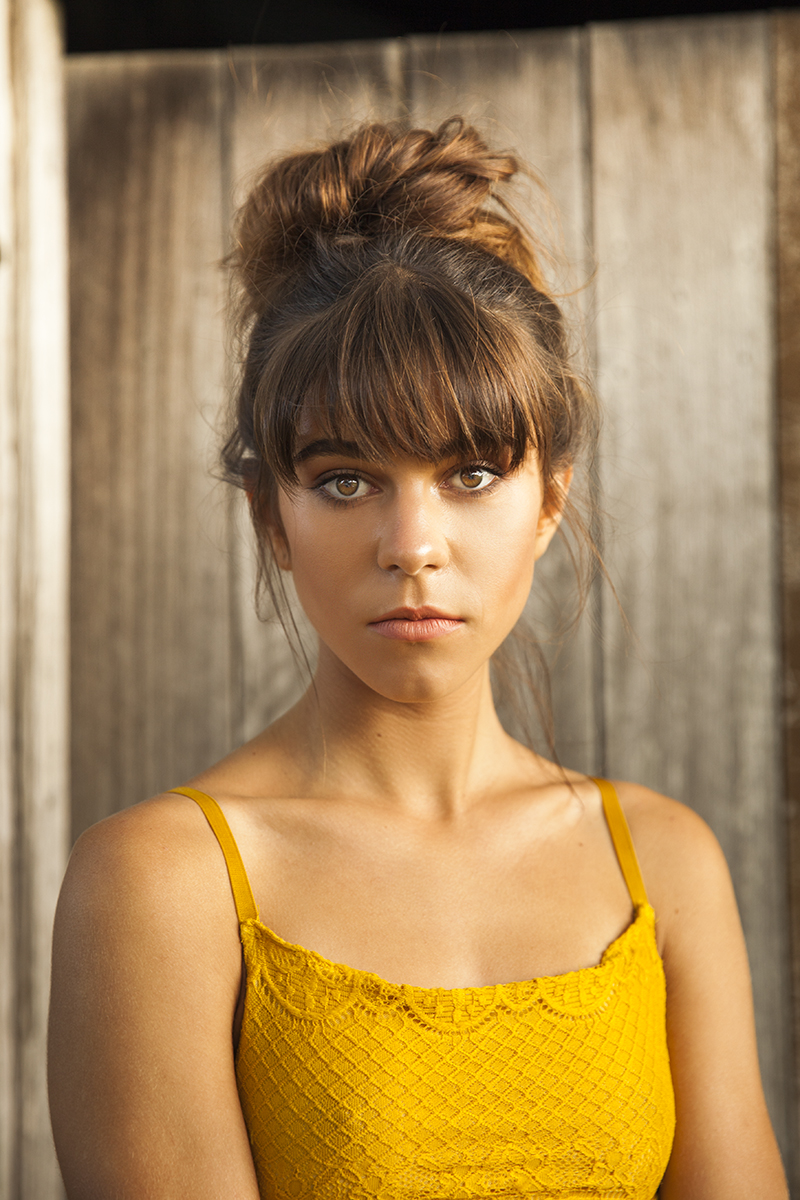
5. Light the history, not just the product
Also a amateur product digital photographer will certainly figure out that a product requires to be lit correctly permanently images. Yet lighting the history is not user-friendly. Think it or not, lighting your histories can substantially increase the top quality of your product shots.
Illumination the history has two positives. Initially, if you're preparing to get rid of the history from your images (or intending to have Pixc do it for you), a intense, clean history makes this process simple and offers the best results.
Even as a newbie digital photographer, using these five pointers, you should have the ability to produce some terrific photos for your items and also profit right now.